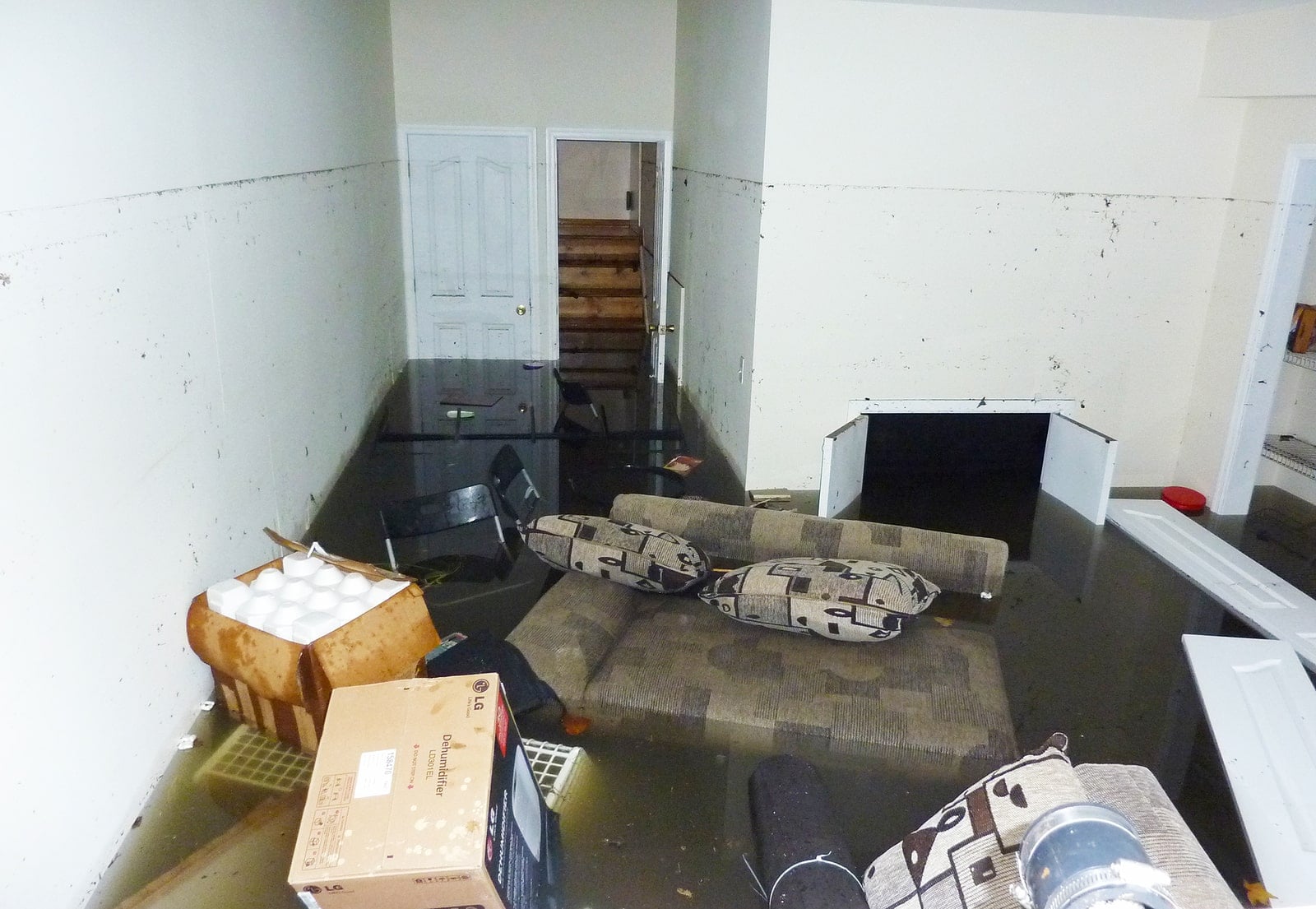
Home Inspection Older Homes Florida: What Buyers Should Notice About Moisture and Past Water Damage
Buying an older home in Florida can feel like stepping into a place with real character. Heart pine floors, deep porches, mature oaks, original windows, thick plaster walls, odd little built-ins that newer homes never seem to have. Older houses often offer details that are hard to replace and neighborhoods that have settled into themselves in the best way.
They also carry history, and in Florida, that history often includes moisture.
If you are scheduling a home inspection older homes Florida buyers should pay especially close attention to anything tied to water, humidity, airflow, and previous repairs. In Central Florida, afternoon storms, long humid stretches, air conditioning strain, and hurricane season all put stress on a house. A home can look tidy at first glance and still tell a very different story once you know where to look.
The good news is that many moisture issues are manageable here if you catch them early and understand what you are seeing. The bad news is that buyers often focus on paint colors, kitchens, and roof age while missing the quiet clues that point to chronic dampness, hidden leaks, stale indoor air, or old damage that was covered but not truly addressed.
Why older Florida homes deserve a different kind of scrutiny
A newer home can have leaks too, of course. But older homes tend to have more layers. More repairs, more remodels, more patching, more handoffs between owners, and more chances for a short-term fix to become a long-term problem.
In Florida, that matters because moisture rarely stays simple. Water comes in through roofs, windows, doors, wall penetrations, plumbing lines, and slab edges. Humidity lingers in closed rooms and closets. Air conditioning systems work hard for months at a time, and when they struggle, indoor moisture levels can rise fast. Once that happens, materials like drywall, trim, insulation, and cabinetry can hold dampness longer than buyers realize.
The Florida Department of Health has long advised that signs of moisture or water damage deserve attention, and that mold testing is not the first step. That tracks with what experienced inspectors and restoration professionals see every week. The first question is not usually “Should I test this?” It is “Why is this area wet, or why was it wet before?”
That shift in thinking saves buyers from a common mistake. Lab reports can sound precise, but a musty closet, a swollen baseboard, or a fresh ceiling patch often tells you more about the home’s real condition than a stack of samples ever could.
Start with your nose, then trust your eyes
Some buyers worry they are being too picky when they mention smell. They are not. Odor is one of the clearest early warnings in an older Florida house.
A clean older home should smell like wood, plaster, maybe a little attic dust, maybe an older cabinet finish. What you do not want is a persistent musty odor, a sour AC smell, or the scent of wet cardboard. If the seller has heavy plug-in fragrances, every candle lit, or windows open on a hot humid day with the AC running, pay attention. Sometimes people are simply trying to make a house pleasant. Sometimes they are trying to outcompete an odor problem.
The same goes for visual clues that seem minor on their own but matter more together. A single ceiling stain in a twenty-year-old house might point to an old leak that was fixed. A ceiling stain, soft trim under a window, a peeling closet corner, and bubbled paint in the laundry room start to form a pattern.
The strongest inspections I have seen are the ones where buyers stop treating each stain like an isolated cosmetic issue and start reading the house as a system. Water usually leaves a trail. The challenge is learning to follow it.
Where past water damage often hides in older homes
Florida homes do not all fail in the same way, but there are recurring trouble spots, especially in older properties. An inspector will have their routine, but buyers should know these zones too so they can ask sharper questions during the walkthrough.
Here is a useful mental water damage checklist to carry with you:
- Look up at ceilings around vents, light fixtures, skylights, and room corners for staining, patch texture changes, or sagging.
- Check under every sink and behind toilets for swollen cabinet bottoms, rusted supply lines, and darkened caulk lines.
- Open closets on exterior walls and smell for trapped humidity or mustiness.
- Inspect window sills, trim, and lower wall sections for softness, paint bubbling, or uneven repairs.
- Notice whether the AC air feels cool but clammy, which can hint at humidity control issues tied to indoor air quality Florida homeowners often struggle with.
That checklist is not a substitute for a professional inspection, but it keeps you from drifting through the showing only noticing countertops and appliances.
Bathrooms deserve extra time. So do laundry areas. In older homes, washing machine supply lines, drain pans, old tile surrounds, and caulk failures can all contribute to repeated low-grade moisture. Kitchens are another obvious zone, though the hidden problem there is often not the sink itself but the refrigerator water line or slow leaks that soaked cabinet backs years ago.
Then there are the less obvious areas. Closets on exterior walls. Rooms that always feel stuffy. Low spots around baseboards near patio doors. Window trim that has been painted a few too many times to hide movement. A “recently updated” room that looks nice but somehow newer than the rest of the house in a way that raises more questions than it answers.
Old repairs are not the same as resolved problems
One of the trickiest parts of evaluating past water damage is separating repaired from merely covered.
A repaired issue usually has a clear story. The seller can explain what happened, what was replaced, and what stopped the source. Maybe a roof leak near a vent flashing caused a bedroom stain and the roof area was corrected. Maybe a plumbing leak under a bathroom sink damaged the vanity and it was replaced. The details are consistent, and the visible condition supports that story.
A covered issue feels vaguer. Fresh paint appears only on one lower wall. New baseboards are installed in a room with older flooring. A garage drywall patch sits right where wind-driven rain would enter. The owner says, “That was from a long time ago,” but cannot say what was fixed. Those are moments to slow down, not to panic, but to ask more.
This is also where understanding mitigation vs remediation helps. People often use those words as if they mean the same thing. They do not. In plain terms, mitigation is about stopping further immediate damage and stabilizing conditions. Remediation addresses the contamination or damaged materials that remain. A house may have had water extracted and fans placed years ago, but if wet materials were never removed or the source was never corrected, the job may have been only partial.
That distinction matters for buyers because a seller may honestly say, “We had it treated,” while the underlying issue was only partly handled. If you hear phrases like dehumidification and air scrubbers, ask what problem they were addressing and what materials, if any, were removed or rebuilt afterward. Equipment can be appropriate and necessary, but equipment alone does not tell you the full story of the loss.
Moisture does not always look dramatic
Buyers often expect serious water damage to announce itself with black stains, collapsed ceilings, or obvious rot. Sometimes it does. More often, especially in homes that have been occupied continuously, the clues are much softer.
A wall may feel cool and slightly damp in one corner. A closet may smell stale every time the door opens. The AC may run constantly, yet bedding still feels humid. Metal fasteners in a cabinet may show rust. A vanity toe-kick may have slight swelling you only notice when the light hits it sideways. An exterior door may stick in wet months because the frame has taken on moisture over time.
None of those signs proves a major defect by itself. Together, they can point to a house that has had repeated moisture exposure, poor drying, or humidity management problems.
That is why broad discussions about mold myths can be surprisingly useful for buyers. One persistent myth is that if you cannot see active mold, there is no moisture issue. Another is that a freshly painted area is reassuring by default. Another is that a home passes or fails based on whether someone orders a test kit. Real-world conditions are messier than that. Moisture problems are building problems first. Microbial growth is often a symptom of that moisture, not a mystery that exists on its own.
Indoor air often tells the deeper story
People talk a lot about visible damage and not enough about how a house feels when you spend twenty quiet minutes inside.
Indoor air quality Florida homes can be difficult to judge during a quick tour, but there are still clues. Do you feel clammy even with the air conditioner running? Does one bedroom smell noticeably different from the rest of the house? Do you sense stale air in a hallway or a sharp earthy smell when the AC kicks on? Those details matter more than many buyers think.
In an older home, poor indoor air can come from several overlapping conditions. Persistent humidity. Dust and debris in neglected systems. Previous moisture intrusion in enclosed cavities. In some cases, smoke odor removal may even become part of the conversation if a home has had both water and smoke exposure at different points in its life. Odors can layer. A house might carry old tobacco residue, then add dampness, then get covered with paint and fragrance. The result is confusing, but your nose usually catches that something is off.
This is where restraint matters. Do not jump from “musty” to “catastrophic.” But do not let anyone brush off stale or damp air as just an old-house smell either. Old-house smell and wet-house smell are not the same thing.
Hurricane season changes the risk picture
Any buyer in Florida should keep hurricane season preparation Florida concerns in mind, even if the home has no obvious storm damage today. Official hurricane season runs from June 1 through November 30, and preparation should happen before the season starts, not after the first named storm appears on the map.
For older homes, that means you are not just asking whether the house looks dry now. You are asking how it handles heavy rain, wind-driven rain, and power interruptions that affect air conditioning and drying.
A house with older windows, vulnerable roof details, or weak drainage may perform acceptably most days and still struggle badly during a storm cycle. If a home has a history of water intrusion during tropical weather, you want to know where it entered, how often, and what was changed afterward. Some sellers know this clearly. Others only know that “the carpet got wet once” or “the garage took on a little water,” which often understates the real scope.
That is especially relevant in Lake County communities such as Groveland, Clermont, Minneola, Mascotte, Howey-in-the-Hills, Mount Dora, and Leesburg, where older housing stock, summer downpours, and prolonged humidity can expose weaknesses quickly. A small weakness in April can become a much more expensive one by August.
Questions worth asking before you waive concerns
Good questions can save a buyer thousands. They also help you separate routine maintenance from chronic trouble. You do not need to interrogate the seller. You do need to be specific.
Ask when stains first appeared and whether they changed over time. Ask whether any leak happened during a storm event or during normal weather. Ask whether damaged drywall, insulation, trim, or cabinetry was actually removed or simply dried in place. Ask what happened after moisture was discovered. The answer will often tell you as much as the defect itself.

If the property is a rental or has been professionally managed, the phrase property manager water damage history becomes especially important. Property managers may have maintenance logs, tenant reports, invoice trails, or emergency calls that reveal patterns owner-occupants might not document as closely. A recurring AC drain backup, repeated upstairs tub overflow, or multiple complaints about a musty bedroom can show up there even if the house currently presents well.
For buyers looking at mixed-use or larger buildings, the conversation can turn more serious. In a commercial setting, long-term moisture issues may eventually call for commercial mold remediation by properly qualified professionals. The scale, materials, and occupancy concerns are simply different. Even if you are buying a house, it helps to understand that not all cleanup is equal and not every contractor handles moisture-related work under the same standards or training.
IICRC certifications, such as those related to microbial remediation, structural drying, or building moisture inspection, can be useful context when you are evaluating firms that investigate or address damage. Certification alone is not a guarantee of perfect work, but it gives buyers one more way to ask informed questions about methods and experience.
Renovation plans can uncover a second layer of risk
A lot of people buy older Florida homes because they want to renovate. That is reasonable, but renovation can expose hidden moisture problems and older materials at the same time.
If you plan to open walls, remove flooring, or disturb older finishes, the moisture conversation may intersect with another one entirely: asbestos survey before renovation. In Florida, asbestos work is regulated through licensing and abatement rules, and licensed professionals must follow applicable requirements. Depending on the building type and project scope, rules and exemptions can differ, which is exactly why buyers should not make assumptions based on what a neighbor did in their own house.
This is not about fear. It is about sequencing. If you already suspect prior water intrusion in an older kitchen, bath, or addition, and you also plan to renovate those areas, it makes sense to understand both the moisture history and whether older materials require qualified handling before demolition starts. Opening up a wall should answer questions, not create new avoidable problems.
What a real response to water damage usually involves
When buyers hear that a home had prior damage but “it was taken care of,” they often imagine a fairly simple process. In reality, proper response depends on what got wet, how long it stayed wet, and whether humidity spread the effect beyond the original source.
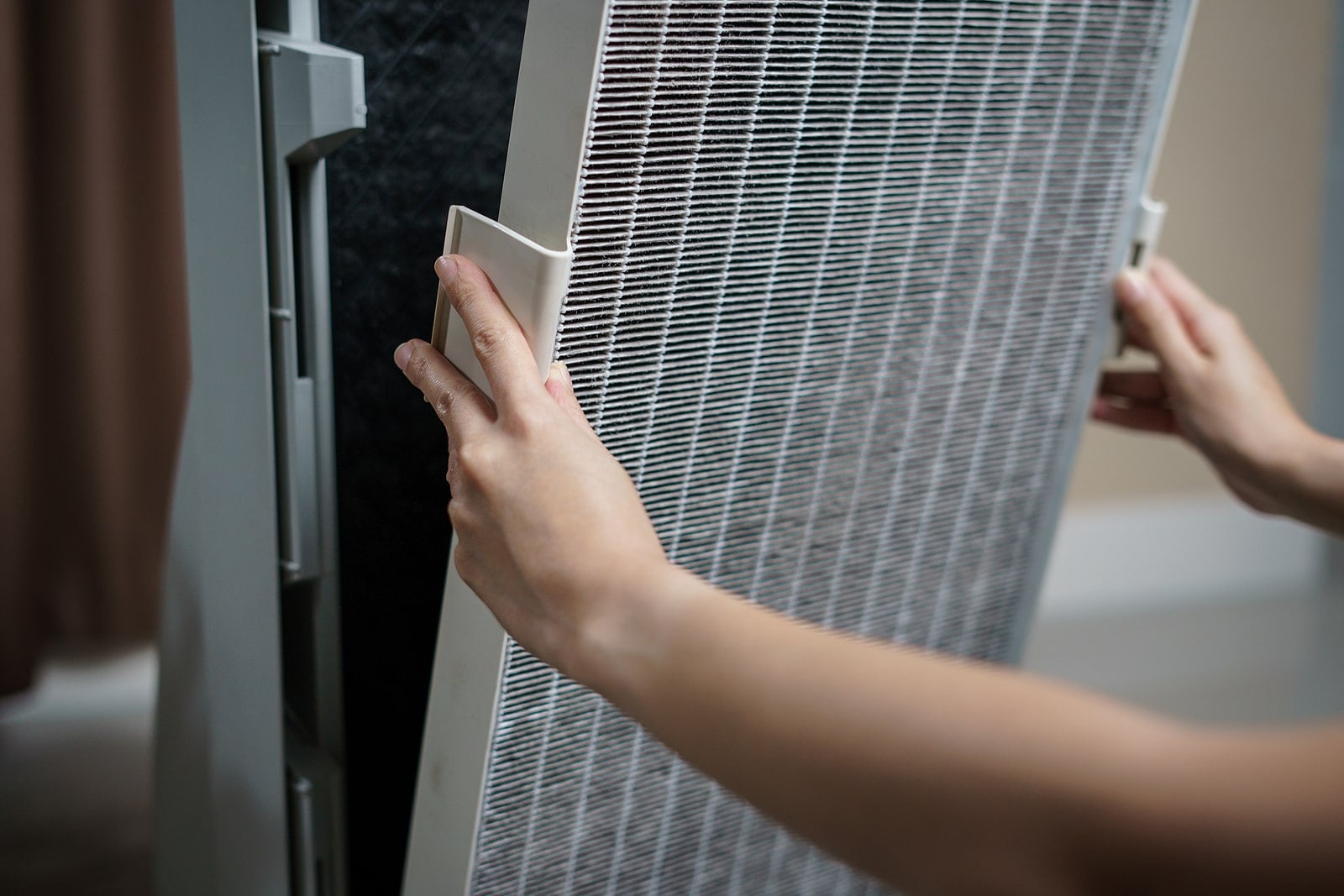
Sometimes the fix is small and straightforward. Sometimes it calls for containment, dehumidification and air scrubbers, selective removal of damaged materials, and a careful search for hidden moisture. The point is not that every damp baseboard turns into a major restoration project. The point is that the right scope follows the actual conditions, not wishful thinking.
This is why I tell buyers to listen closely to the language sellers and contractors use. “Dried out” is not the same as “repaired.” “Cleaned” is not the same as “removed and replaced.” “Treated for mold” does not explain what caused the moisture, what materials were affected, or whether the area was rebuilt correctly.
If a loss was significant enough to bring in an emergency crew, ask what happened next. In Central Florida, firms may advertise 24/7 emergency cleanup Lake County service because fast response matters when water is actively spreading. That makes sense. Emergency cleanup protects the property in the moment. It does not automatically answer whether the final repair addressed everything that needed attention after the initial crisis passed.
A calm way to judge what you are seeing
Not every old stain should derail a purchase. Not every musty closet means you should run. The key is proportion.
A small isolated issue with a documented cause and a logical repair may simply become part of your negotiation. A house with repeated clues across multiple rooms, unclear explanations, and air that feels persistently damp deserves a more careful pause.
If I had to narrow the buyer mindset to a few essentials, it would be this:
- Focus on patterns, not single blemishes.
- Ask what caused the moisture, not just whether someone cleaned it up.
- Pay attention to smell and humidity, because indoor comfort often reveals hidden problems.
- Treat renovation plans as a chance to investigate responsibly, especially in older structures.
- Remember that Florida weather is not neutral, it actively tests weak spots year after year.
That is the practical heart of a smart home inspection older homes Florida buyers should carry with them. Character is worth preserving. History can be charming. But moisture has no nostalgia. It follows gravity, airflow, and neglect, and it will keep teaching the same lesson until a homeowner responds to the actual cause.
A good purchase decision does not require panic. It requires curiosity, patience, and a willingness to look past fresh paint. When buyers do that, they usually see the house more clearly, and they buy with fewer surprises waiting behind the walls.